
Editorial vs. Commercial Photography: What's the Difference?

Updated: 5 days ago
Every photograph is meant to document a moment exactly as it happened. A protest, a portrait of a small-business owner, or a scene from a local festival can be expressed. Some are built from the ground up to sell something like a product, a service, or a feeling. That distinction is the heart of the editorial vs. commercial photography debate. It trips up more beginners and more marketers than you'd expect.
Have you ever hired a photographer? If you have, then you must have wondered why the ‘usage rights' suddenly matter or why an ‘editorial-style’ image cannot be used directly in an advertising campaign. This is exactly the confusion we're unraveling here. The short answer comes down to three things:
● Purpose
● Audience
● Intended Use
Style, lighting, and even how the shoot is run flow from this.
What Is Editorial Photography?

Editorial photography is a form of photography associated with journalism, publishing, and documentation. Its primary objective is to portray actual events or subjects. For instance, it captures real people, places, and events exactly as they unfold. Reality is not staged to suit a brand's message.
Think of a magazine feature on a local artisan or a photo essay following a day in the life of a nurse. The goal isn't to sell anything directly. It's to inform, to document, and to preserve authenticity. That authenticity is the whole point. The moment the scene feels staged or overly polished, it stops doing its job as editorial content.
When Editorial Photography Makes Sense
Editorial work fits anywhere the story matters more than the sales pitch: news coverage, magazine features, blog photo essays, documentary projects, and behind-the-scenes brand storytelling. If you're trying to capture a real event, a real person, or a real moment in time, editorial is the right lane.
What Is Commercial Photography?
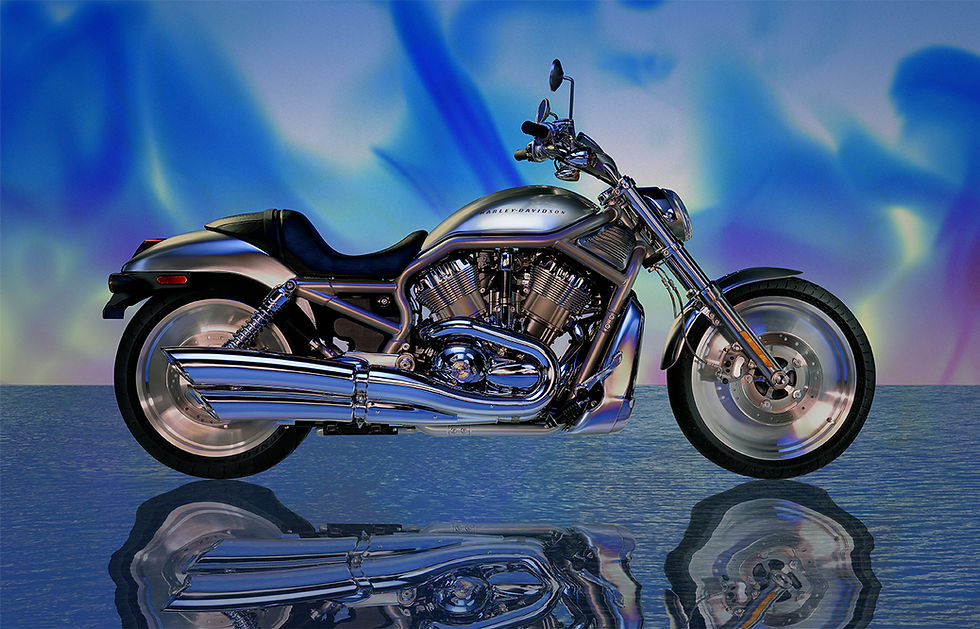
Commercial photography is a type of photography that exists to promote a business, a brand, a product, or a service. Every choice in a commercial photography shoot, from the lighting setup to the model's expression to the background color, is made in service of a marketing goal.
This is the photography you see on product pages, billboards, brochures, websites, and social ads. It's carefully art-directed, often shot in a studio or controlled environment, and built to put a product or brand in the best possible light.
Common Uses of Commercial Photography
Commercial imagery shows up in product catalogs, advertising campaigns, packaging, corporate websites, annual reports, and social media marketing. Anywhere a business needs an image to support a sales or branding objective, you're looking at commercial photography.
Editorial vs. Commercial Photography: Key Differences
Purpose and Intended Audience
One tells a story. The other sells one. Editorial photography informs for a general audience. This audience can be the readers, viewers, or the public.
Commercial photography persuades a specific audience, such as customers, prospects, or a target demographic, toward a business outcome. One tells a story; the other sells one.
Creative Direction and Control
Editorial shoots lean on spontaneity. The photographer reacts to real conditions and captures what's already there.
Commercial shoots are the opposite. It is heavily planned, art-directed, and controlled down to the smallest detail. Often it occurs with a creative brief, a mood board, and a client signing off on every element before the shutter clicks.
Styling, Production, and Editing
Editorial images are typically edited lightly. Color correction and basic adjustments, but nothing that alters the truth of the scene.
Commercial images are expected to be polished to a much higher standard by contrast. Backgrounds get cleaned up, skin and product imperfections get smoothed, colors get matched to brand guidelines, and composites are common.
This is where a dedicated professional photo retouching service earns its keep. Commercial images almost always go through some level of professional retouching before they're considered “campaign ready.” Because the bar for a photo that's meant to sell is simply higher than the bar for a photo that's meant to document.
Image Usage and Licensing
This is where the two categories diverge legally, not just creatively. Editorial images are typically licensed for use alongside news or informational content and often don't require a model or property release. They're documenting reality rather than promoting a product.
Commercial images require the opposite. Model releases, property releases, and a commercial license that explicitly grants the right to use the image in advertising. Using an editorial image commercially without the right releases is both a style mismatch and legal risk.
At a Glance: Comparison Table
Factor | Editorial Photography | Commercial Photography |
Purpose | Inform, document, tell a story | Promote, sell, build a brand |
Audience | General public, readers | Customers, target market |
Direction | Reactive, candid, unstaged | Planned, art-directed, controlled |
Editing | Light, truth-preserving | Extensive, polished, on-brand |
Licensing | Editorial use, release typically not required | Requires model / property releases |
Common outlets | News, magazines, blogs | Ads, websites, packaging, catalogs |
Editorial vs. Commercial Photography Examples
Corporate and Workplace Photography
A photo of a welder mid-task for a local business feature is editorial. It documents real work, in real conditions, for a story.
That same welder, styled and lit for a corporate recruiting campaign or a safety-equipment ad, becomes commercial the moment the goal shifts from documentation to persuasion.
Product Photography
Events and Real-World Stories

Can an Image Be Both Editorial and Commercial?
Yes. An image can absolutely serve both purposes, but not automatically and not without the right licensing in place. A photograph shot editorially can later be licensed for commercial use. This is only possible if the photographer secures the necessary releases and the client pays for the appropriate rights. The image itself doesn't change. What changes is the permission attached to it.
Editorial vs. Commercial Use of Photos: What Photographers Should Know
If you're a photographer, business owner, or marketer working with imagery, a few practical points keep you out of trouble:
• Know the intended use before you shoot: Editorial and commercial work call for different planning, different releases, and often different pricing.
• Understand licensing: A license dictates exactly how, where, and for how long an image can be used. And editorial licenses almost never cover advertising.
• Get releases up front: Model and property releases should be secured at the time of the shoot. Not chased down after the fact when you suddenly need to repurpose an image commercially.
• Don't assume an editorial image is “free” to use in a campaign: Just because a photo was published editorially doesn't mean it's cleared for advertising. Without a release and a commercial license, using it that way opens the door to legal exposure.
• Establish usage rights before repurposing anything: If you love an editorial shot and want to use it commercially later, go back and formalize the rights. Don’t assume it.
Choosing the Right Approach for Your Photography Project
If your goal is to tell a true story, such as a feature, a documentary piece, or a moment worth preserving, editorial is the right approach. If your goal is to sell a product, build a brand, or drive a marketing outcome, then go for commercial photography. But have to be with its controlled direction and polished production. This is what you need.
Plenty of real-world projects blend the two. A brand story that feels editorial in tone but is shot and licensed for advertising use is common. This is often more effective because it borrows editorial authenticity while still serving a commercial goal.
Conclusion
At its core, the difference comes down to intent. Editorial photography is story, context, and documentation. Commercial is brand, marketing, and business objectives.
Knowing which one you need and getting the licensing right saves you from legal headaches. It also makes sure the final images actually do the job you hired them to do.
If you're planning your next shoot or prepping existing images for a campaign, take a beat to ask: is this photo meant to tell the truth, or is it meant to sell something? Once you know the answer, direction, editing, and licensing fall into place.
Author Bio:
Ruzel Hasan is a photographer, writer, and the Co-Founder of Offshore Clipping, a professional photo editing studio that has helped photographers and e-commerce brands refine their visuals for over 13 years. When he is not reviewing edits with his team of 350+ editors, he is exploring new destinations with a camera in hand, chasing golden-hour light, and collecting street food recommendations.


The welder example really made the difference click for me. Same person, same workplace, but the purpose behind the photo completely changes how it’s used. The licensing part is something I think a lot of people overlook too.